Ulhasnagar Matrix and other interventions
Oct. 5, 2024 - Oct. 5, 2026
Partition Museum, Delhi
Lost Homeland of Sindh
Dara Shukoh Library
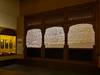
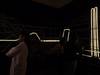
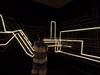
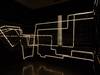
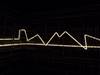
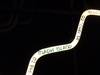
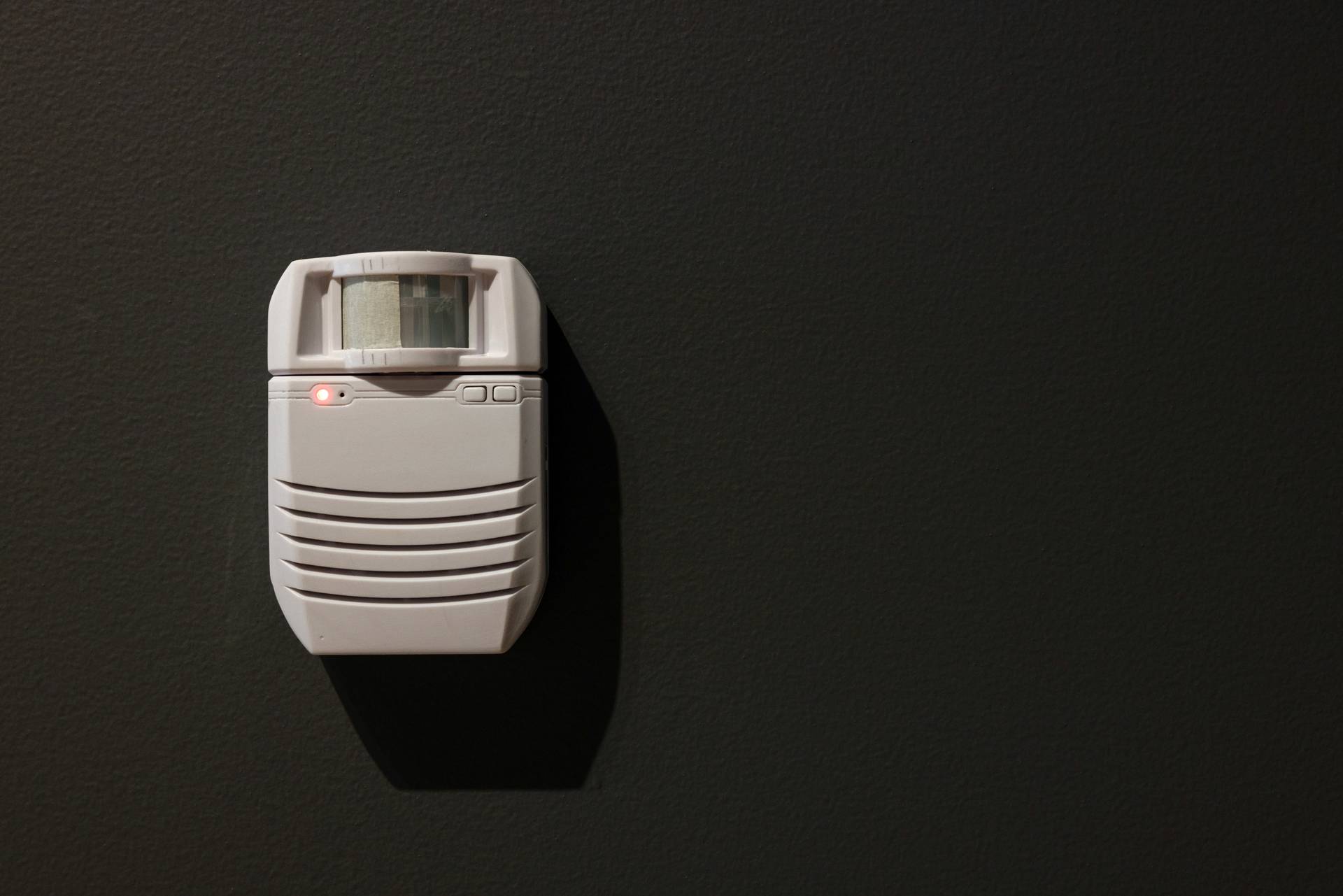
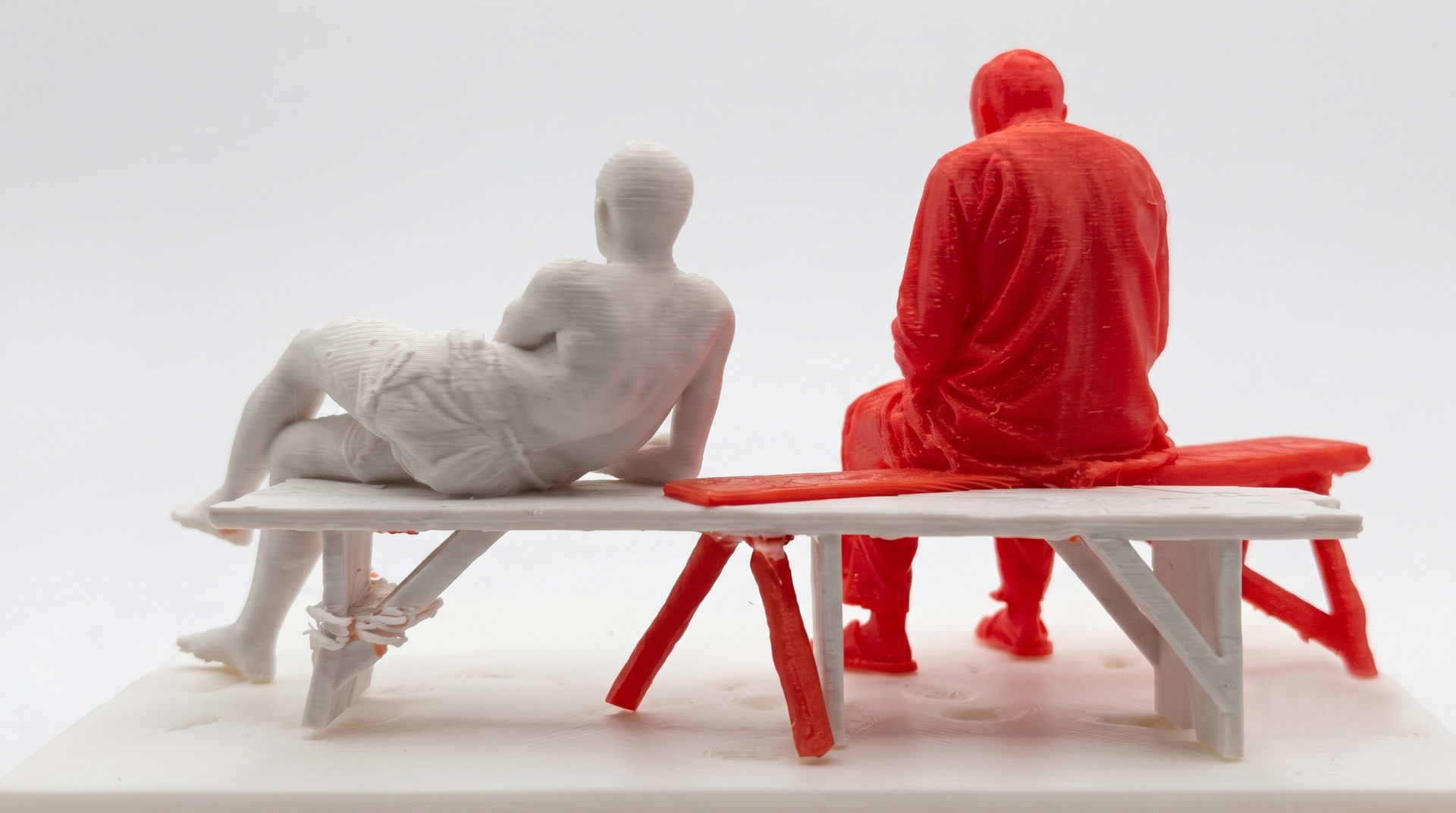
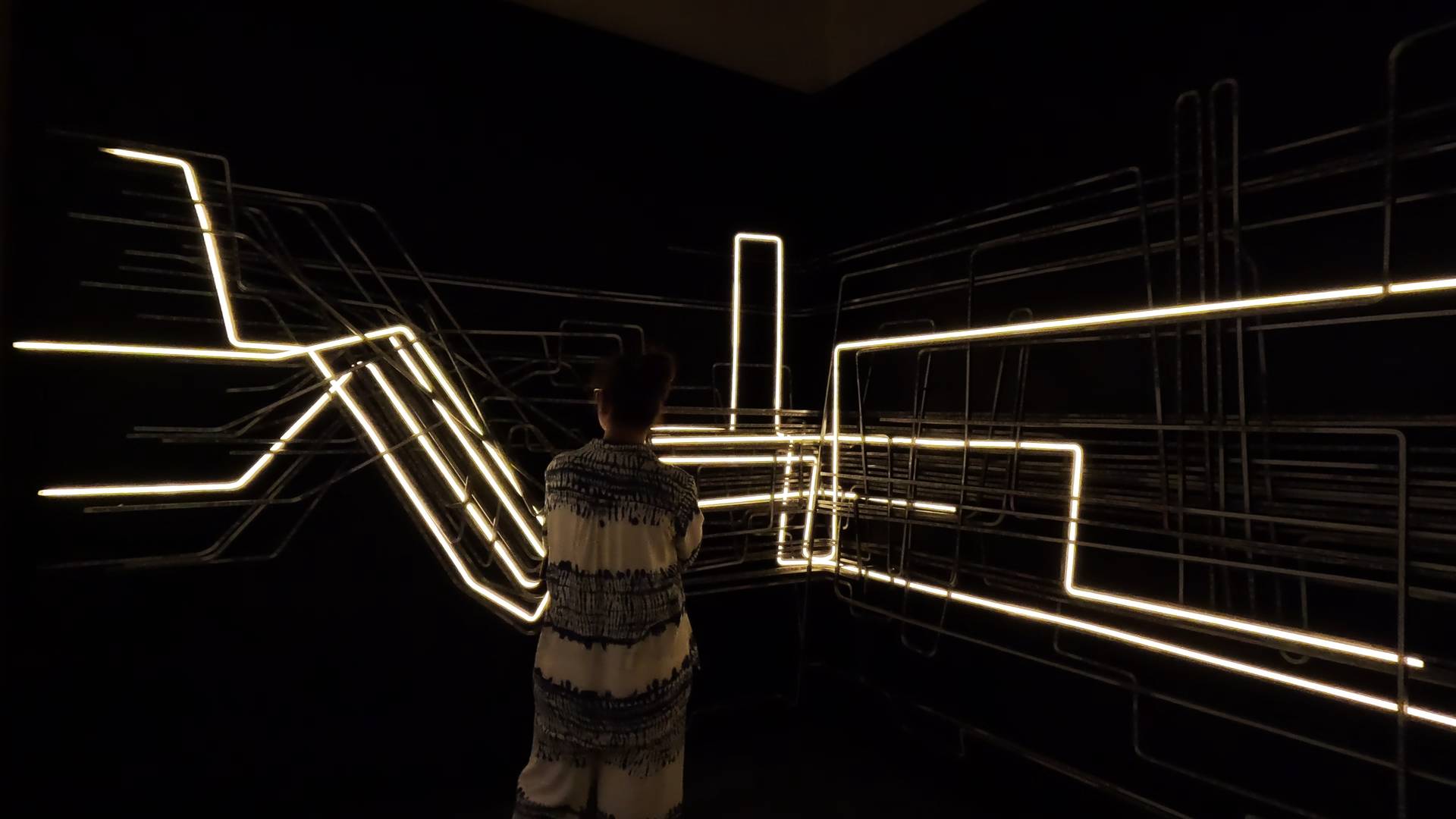
Ulhasnagar Matrix is a permanent installation at the Partition Museum at the Dara Shukoh Library. Other interventions into the Lost Homeland of Sindh gallery include Windows to Sindh and From the Film Archive.
Ulhasnagar Matrix
2024
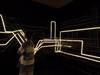
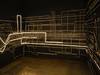
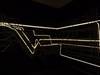
LED profiles, custom electronics, handwritten text.
Ulhasnagar was a World War II military transit camp that housed lakhs of Sindhi and Punjabi Partition refugees, and that quickly developed into a full-fledged city, built over five camps, with its own special urban character. This room consists of journeys of people “via Ulhasnagar”. Patterns of why and where people moved, what they did for work and pleasure, and who followed whom, light up this matrix of movement and individual stories.
We can think of migrations as having a kernel of desire and hope, even in the worst circumstances. Details of why and where people move or stay as they seek better lives, tell us more about the world than simplified histories. Ulhasnagar became a kind of fertile refuge, a camp in which people developed social contacts and survival techniques, and cultivated dreams and desires that carried them elsewhere, kept them in Ulhasnagar, or made them choose or return to this place, later in life. A movement that didnt stop with partition but continued.
By CAMP
With original research and interviews by CAMP and Vandana Govindani, Seema Menghani and Manthan Bachani.
Calligraphy by Gurpreet Kaur.
Special thanks to Dr. Subhadra Anand, Dr Ram Jawhrani, Asha Chand, Peter Dhalwani, Manoj Lassi and the many participants in Ulhasnagar and around the world that we conversed with.
Windows to Sindh
45 mins loop
with Vloggers from Sindh
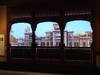
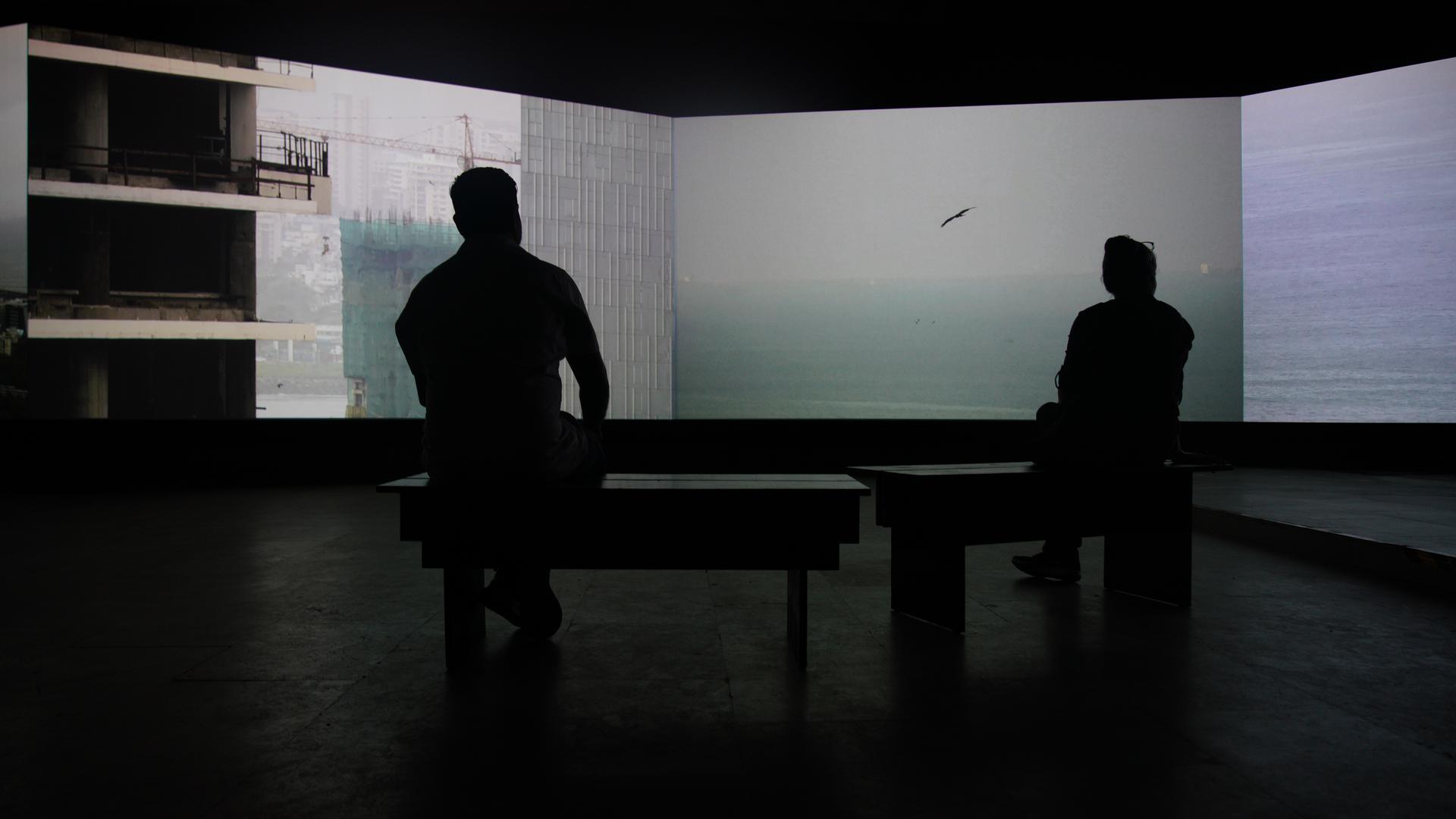
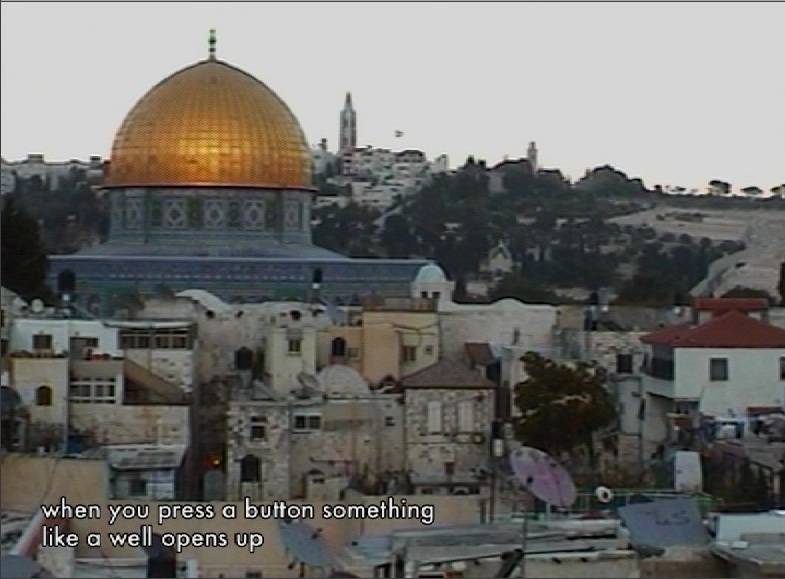
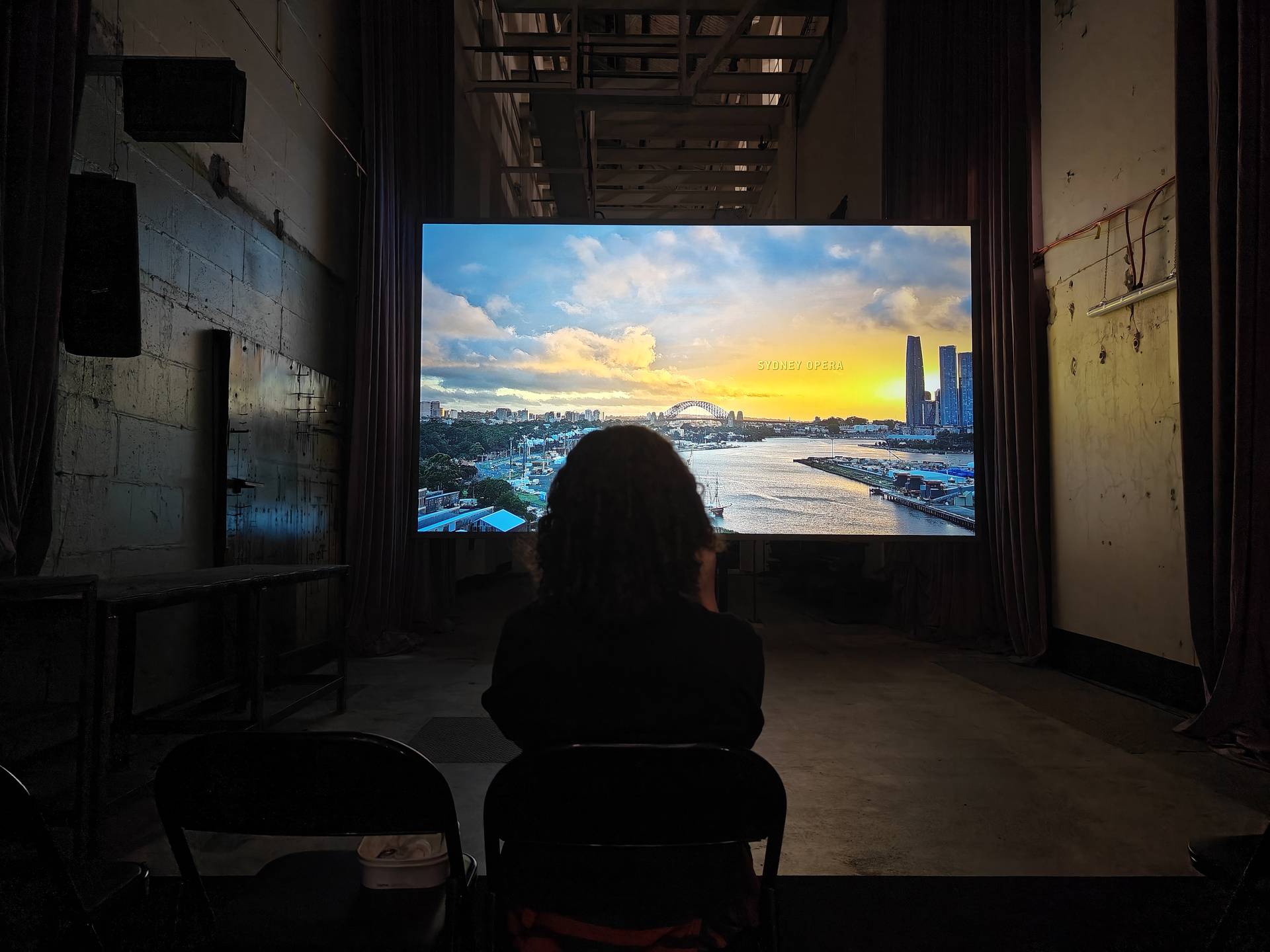
Through the archways of this Muhari or balcony from Shikarpur, we take a low-flying tour through the region of Sindh today, visiting its unique natural landscapes and cities, syncretic religious sites and shrines, ancient, mediaeval and colonial monuments and historical landmarks. A portal to Sindh made possible via the generosity of contemporary vloggers.
From the Film Archive
20 mins loop
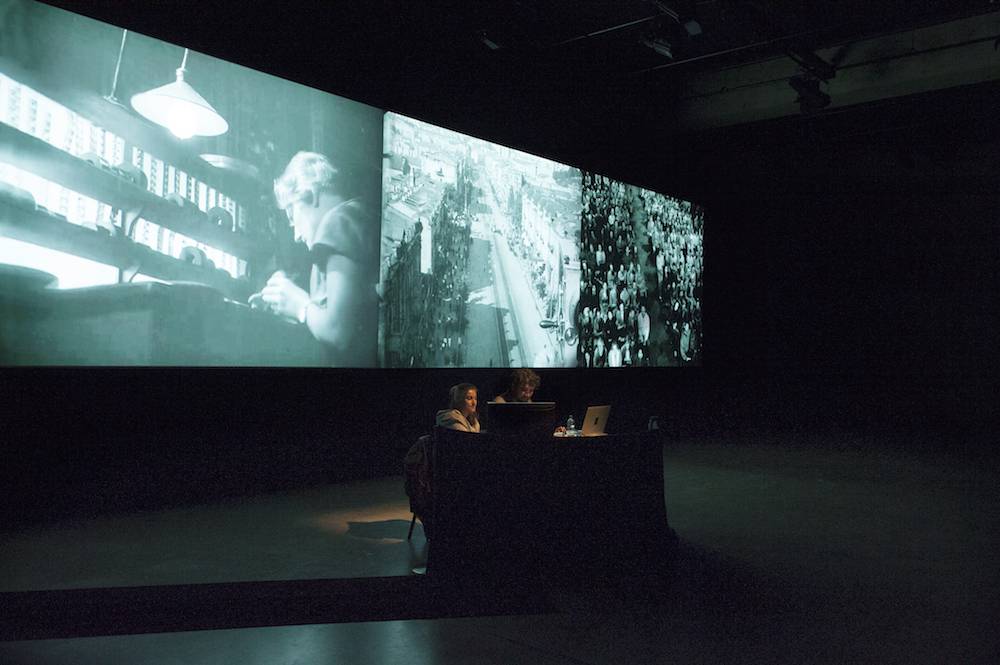
An annotated journey through archival footage, documenting the syncretic traditions of Sindh in the 1930’s, the arrival and settling of Sindhi refugees in India, their literary and cultural events and the movements to recognise Sindhi as a language in the constitution, and to retain the Perso-Arabic Sindhi script. It includes excerpts from the Sindhi language feature film Abana (1958) that includes footage of the migration from Sindh and the “item” song Hede Hede Hede, filmed on location in Ulhasnagar that has people jiving and making light of their “position” in the camps.